

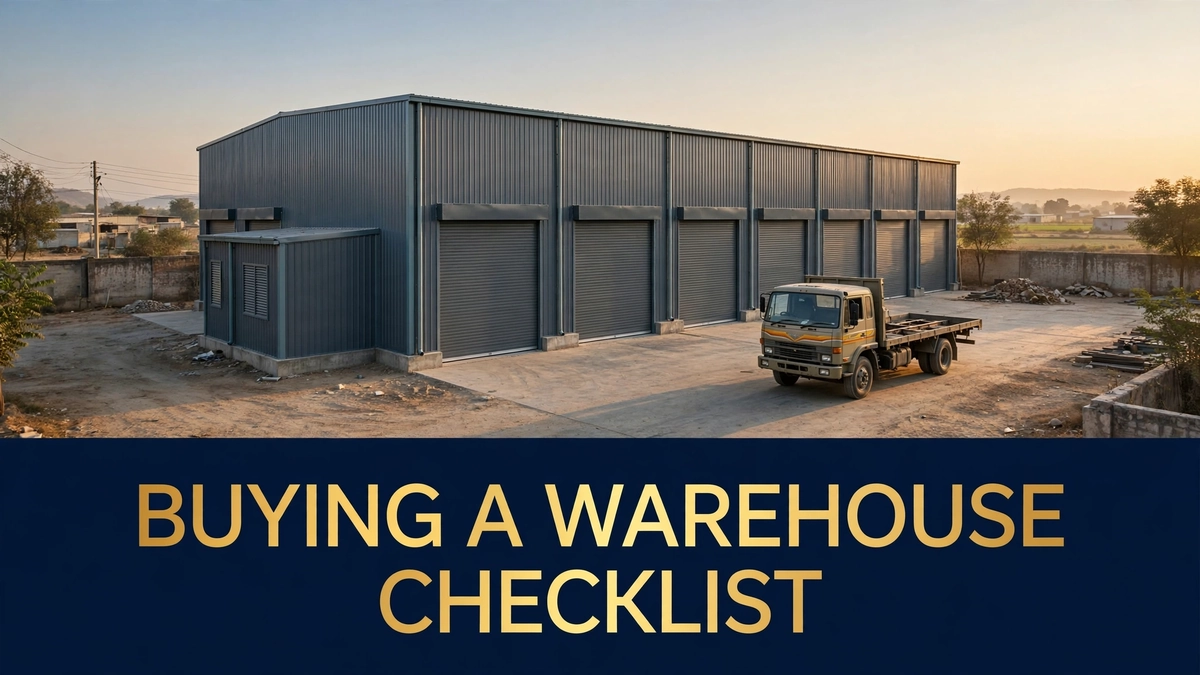
How to Buy a Warehouse (Godown) in Sheikhupura: A Practical Checklist
Buying a warehouse in Sheikhupura is not the same as buying a plot and building four walls. A warehouse — a godown, a storage shed, a distribution facility — is bought for how it works: trucks must reach it, goods must stay dry, the structure must carry the load, and the paperwork must support industrial use. Miss any one of these and the cheapest warehouse becomes the most expensive one. Use this checklist before you commit a rupee.
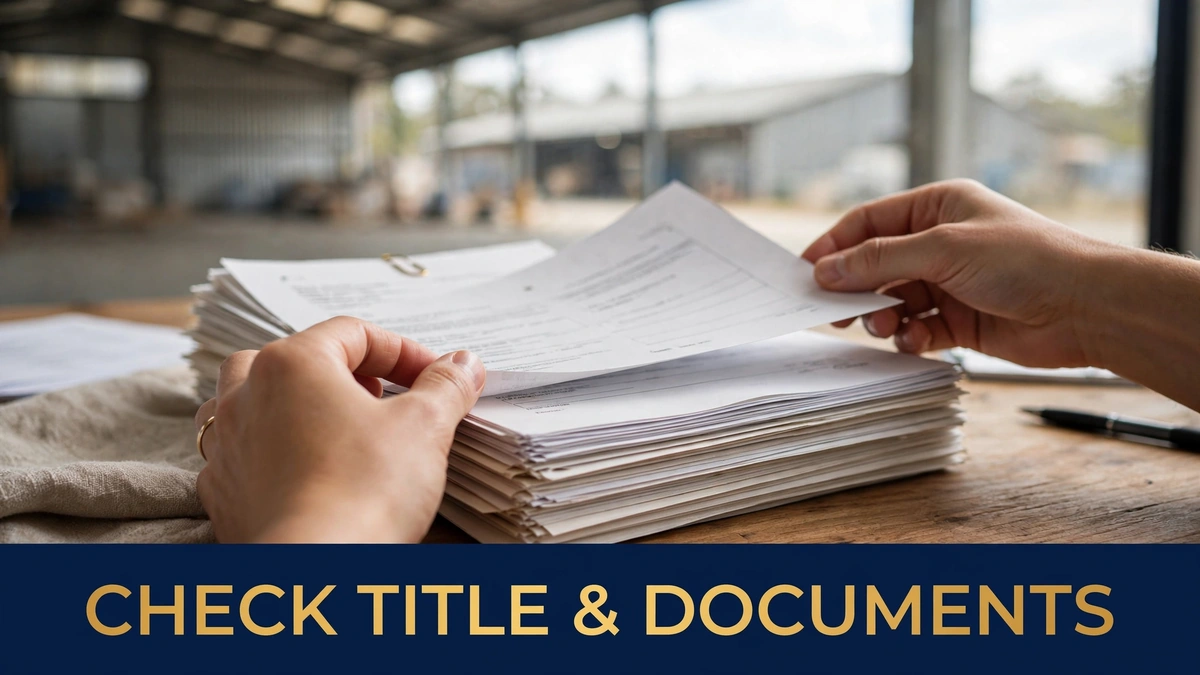
1. Start With the Document Chain, Like Any Land Purchase
A warehouse is first and foremost land. Verify the same document chain you would for any commercial plot: the fard shows current ownership on the revenue record, the registry is your registered sale deed, and intiqal (mutation) puts your name into the PLRA record after purchase. If the seller shows a registry but the record still carries the previous owner’s name, the chain is incomplete — check the difference between fard, registry, and intiqal before your first site visit.
Cross-check the khasra number on the fard against PLRA’s online record and against the actual boundaries on the ground. Godowns on Sheikhupura’s outskirts sometimes sit on agricultural land that was never formally converted — if the documents say one thing and the ground says another, pause the deal until a local dealer or the revenue office clarifies the mismatch.
2. Confirm That Warehousing Is Legally Permitted on the Site
Not every plot can legally host a warehouse. Ask two questions: (a) is storage/industrial use permitted in this zone, and (b) does the building have an approved building plan matching its current use? Warehouses on Sheikhupura’s industrial belt along the GT Road corridor or near the industrial areas face fewer issues here, but sheds built inside residential colonies often operate without any approved conversion — and sealing action against undeclared commercial use is a real risk for the buyer who inherits the building.
Also confirm the covered area on the ground matches the approved plan. Unapproved extensions — a second shutter line, an extra mezzanine — become your problem after purchase, not the seller’s.
3. Road Access Decides the Warehouse’s Value
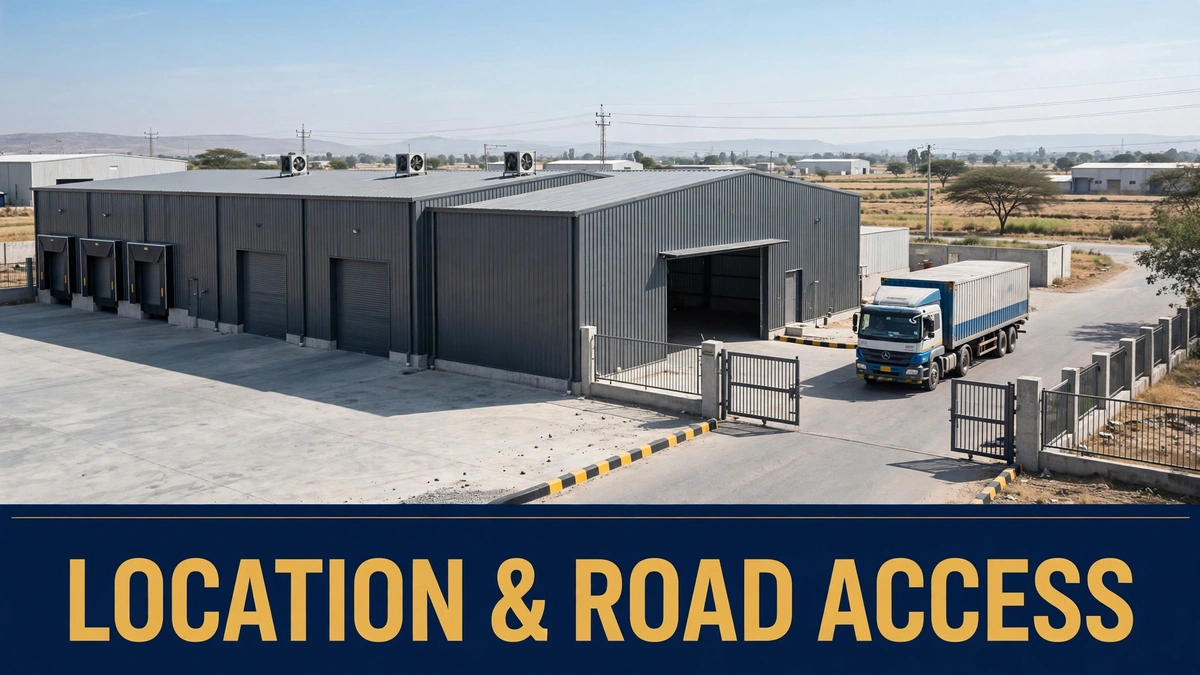
A warehouse you cannot reach is a liability, not an asset. This is where many Sheikhupura deals are won or lost:
- Frontage on a main road: GT Road (N-5), the Lahore–Sargodha road, and the Faisalabad road carry the heavy traffic. A warehouse opening directly onto one of these corridors loads and unloads without routing through narrow streets.
- Turning and standing space: visit with the actual truck size you plan to use in mind. Mazdas and 22-wheeler trailers need very different turning circles — check the gate width, the yard depth in front of the shutters, and whether vehicles can queue without blocking the road.
- Approach condition: a 30-foot carpeted road is a different asset from an unpaved lane that floods in monsoon. Drive the approach yourself, ideally after rain.
- City no-entry hours: if the godown sits inside Sheikhupura’s city area, heavy vehicles may be restricted during daytime hours — verify what you can actually move, and when.
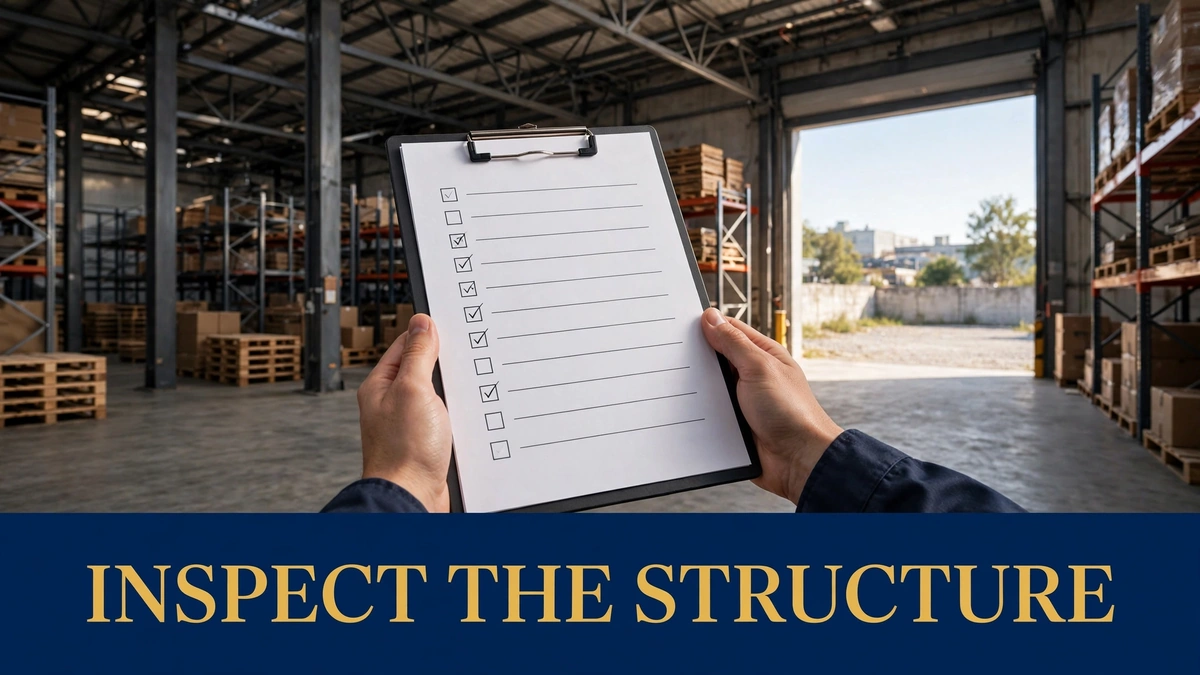
4. Inspect the Structure, Not Just the Covered Area
Two warehouses with the same square footage can be completely different buildings. On the site visit, check:
- Construction type: RCC (concrete frame) buildings versus PEB (pre-engineered steel sheds). Steel sheds are common for godowns in Pakistan — check the sheeting condition, rust at the joints, and whether the roof was designed for the loads it now carries.
- Clear height: racking and stacking multiply usable storage, but only if the shed has the vertical clearance. Older godowns often have low roofs that look fine in photos and disappoint on the ground.
- Shutters and loading bays: count the roller shutters, test every one of them, and look at the ramp or dock height — goods moving at dock level load faster than goods lifted from the ground each time.
- Floor: cracked, unlevel, or damp flooring damages goods and slows forklifts. Look for water stains that suggest the floor sits below the surrounding yard level.
- Columns and obstructions: tightly spaced columns chop the floor into awkward bays. Walk the full floor and imagine your pallets in it.
5. Utilities: Power, Water, and Drainage
Electricity: a warehouse storing perishable goods, running cold-chain equipment, or powering packing lines needs a reliable sanctioned load — ask for the LESCO bill and the sanctioned-load letter, and confirm the load class covers your intended equipment. For basic dry storage, the requirement is lighter, but the meter must still be legal and in the owner’s name.
Water and drainage: Sheikhupura’s low-lying plots near the GT Road industrial belt can waterlog in heavy rain. Walk the site after a downpour if you can; a flooded yard is a pattern, not an accident. Check where roof runoff and yard drainage actually go — into a municipal drain, or onto the neighbor’s plot.
Fire safety: warehousing concentrates value in one building, so insurers and inspectors care about fire readiness. Look for extinguishers, clear exits, ventilation, and separation between stored goods and electrical panels. If you plan to insure the building and stock, confirm an insurer will actually survey and accept the property — some older sheds fail at the survey stage.
6. Estimate the Total Cost of Ownership, Not Just the Price
The purchase price is only the first line of the bill. Before you negotiate, map the rest: structural repairs (roof sheeting, floor leveling, shutter replacement), boundary wall and security arrangements, fit-out for your storage type, utility connection upgrades, and recurring costs like guard salaries, maintenance, and property taxes (verify the current liability with the relevant authority rather than relying on the seller’s word). A godown that needs a new roof and a floor relay may cost you more than a sound building priced higher.
7. Walk-Away Triggers
Walk away — or at least halt until resolved — if any of these appear:
- The document chain has a gap: registry without intiqal, or the seller is not the record owner.
- The building has no approved plan, or the covered area visibly exceeds the approved one.
- The land is agricultural in the record and no conversion approval exists.
- Heavy vehicles cannot physically reach the gate, or access depends on a lane you don’t control.
- The seller pressures you to skip verification and “adjust later” after payment.
- The warehouse sits in a clearly flood-prone pocket and no drainage solution exists.
Before You Pay: The Final Verification Round
Do these in order, and do not release full payment until all six are done: (1) PLRA record matched to khasra on ground, (2) building plan and permitted use confirmed, (3) road access and truck access physically tested, (4) structure inspected by someone who builds warehouses, not just someone who sells them, (5) utility bills and sanctioned load verified, (6) the agreement reviewed by your own lawyer — the same verification discipline our industrial plot buying checklist recommends, applied to a finished building instead of open land.
Bottom Line
A good warehouse in Sheikhupura buys you three things: clear title, truck-level access, and a structure that fits your storage needs without major surgery. Everything else — a fresh coat of paint, new signage, better lighting — is cheap to fix later. The document chain, the permitted use, and the approach road are not. If you’re comparing an existing godown against commercial units, remember that a finished building trades development risk for inspection risk — verify accordingly.
If you’re evaluating a warehouse or industrial shed anywhere in Sheikhupura — on the GT Road corridor, the Lahore road, or the Sargodha road — talk to our commercial property team before you finalize. We help buyers verify documents, check road access, and assess structures on the ground, so you buy the warehouse that works for your business, not the one that only looks good in photos.
Disclaimer: This article is general information only and not legal or tax advice. Property laws, zoning rules, and tax obligations change over time — confirm the current position with a qualified lawyer and the relevant authorities before making a purchase decision.
1 Comment
Pingback: Warehouse Near GT Road or in an Industrial Zone in Sheikhupura: Which Suits Your Business? | Saeed Property Advisors