

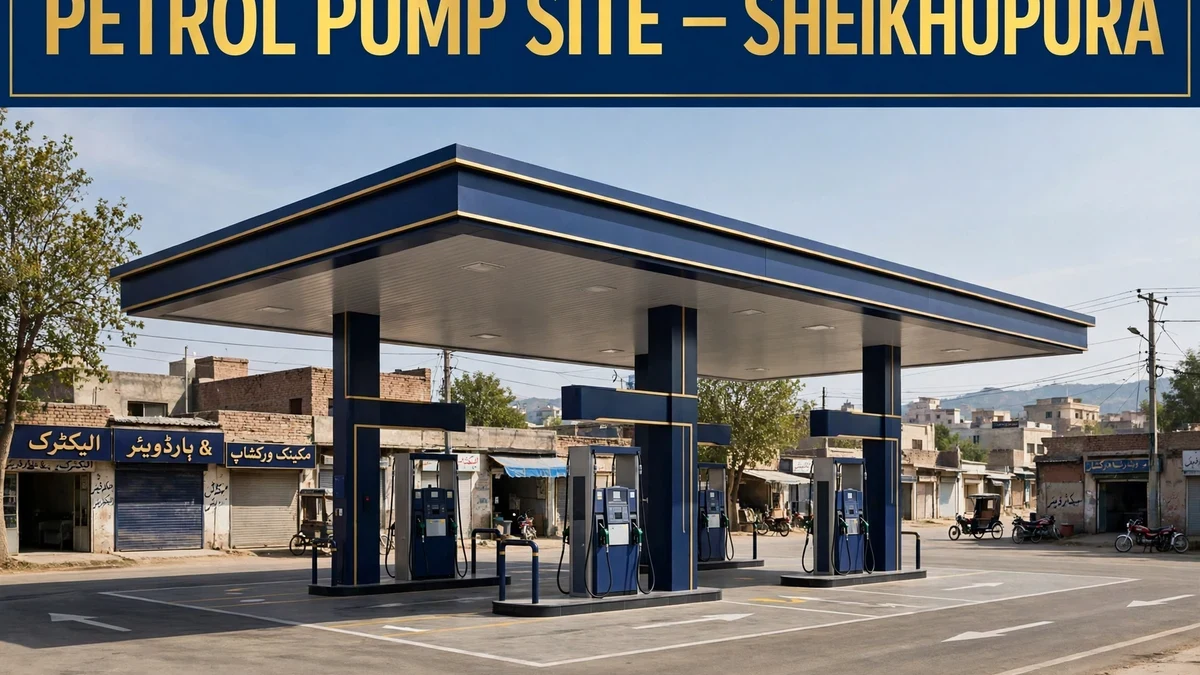
How to Buy a Petrol Pump Site in Sheikhupura: A Practical Checklist
Buying a petrol pump site in Sheikhupura is not like buying an ordinary commercial plot. A site can look busy and well placed, yet still fail on access, title, or approvals — and each of those problems is expensive to fix after payment. This guide works through the checks that matter, in the order a careful buyer should make them, so you can judge a site on facts rather than footfall alone. It is a buying checklist, not a promise about any single site: every site still needs its own verification.
What Makes a Petrol Pump Site Work
A workable site needs four things together: a road position vehicles can actually use, a clean title, a realistic approvals path, and a layout that can hold tanks, dispensers, and safe movement. If one leg is missing, the other three do not compensate for it. A corner on a busy road with a disputed title is not a bargain; a clean-titled plot on a road where heavy vehicles cannot turn in is not a station site. Judge all four before you negotiate.
1. Location and Road Access in Sheikhupura
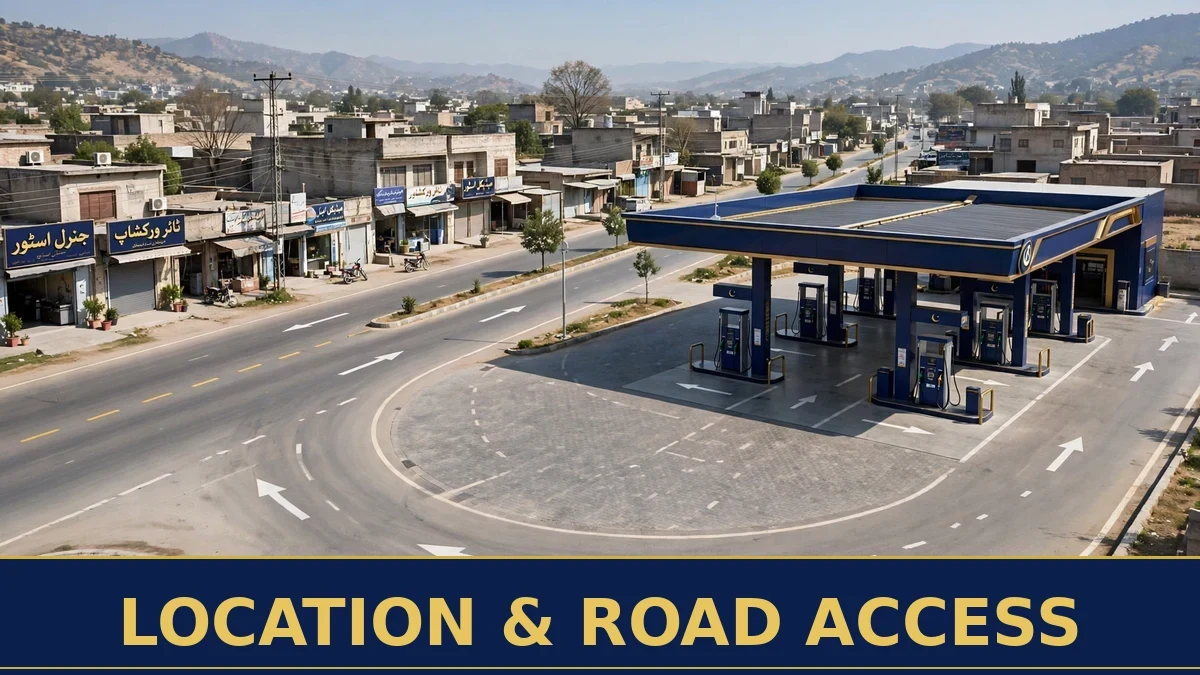
Start on the ground, at the times the station would actually trade. In Sheikhupura, the natural corridors are the GT Road (N-5) and the Lahore, Sargodha, and Faisalabad roads, plus the bypass approaches — but a corridor name is not a verdict. Check the site itself: can vehicles enter and leave safely in both directions, without blocking through traffic? Is there room for a tanker to enter, turn, and leave, and for cars to queue without spilling onto the road? Does the frontage sit on the side of the road that matches the main traffic flow, or would most drivers have to cross traffic to reach it? Are there schools, hospitals, or other sensitive neighbouring uses close by that the licensing authorities will weigh? Is the site on a stretch where the road authority may widen the road or restrict access later? Ask, do not assume. Visit more than once, including a busy period, and walk the entry and exit lines yourself. A site that only works in a quiet hour will not work as a station.
2. Title, Ownership, and the Document Chain
A petrol pump site carries the same title risk as any commercial plot, with higher stakes because the investment in tanks and construction follows the purchase. Before you pay, work through the chain: confirm the seller is the recorded owner and that the fard, registry, and intiqal position line up — each document answers a different question, and one alone is not enough. Check for court cases, stays, or disputes against the property, and confirm the land is not mortgaged or otherwise encumbered without disclosure. Confirm the plot’s permitted use: a site sold as commercial does not automatically mean it can host a fuel station, and a change-of-use or commercialisation position should be confirmed with the relevant municipal authority. If the seller is not the sole owner, confirm every co-owner’s position in writing; a partial consent is not a clean purchase. Keep the payment trail in the seller’s name and through banking channels, with every instalment receipted against the same agreement. If any document in the chain does not match the others, pause. A mismatch found before payment is a negotiation point; found after payment, it is a dispute.
3. NOCs, Approvals, and the Oil Marketing Company
This is where most petrol pump purchases stall, so treat it as a buying check, not a post-purchase formality. A station in Pakistan typically involves the oil marketing company (OMC) whose brand it will carry, the district administration, the local municipal authority, the Environmental Protection Agency, Civil Defence, and the Department of Explosives licensing route — and, on a highway, the road authority. Talk to an OMC early, before you commit. Its site survey, frontage and area assessment, and letter of intent shape the layout and the file; buying first and seeking OMC approval later can mean redrawing the plan. Ask which NOCs the specific site needs, in what order, and whether any of them is already refused, expired, or conditional. Get answers tied to this site, not to petrol pumps in general. Confirm the approved layout position: tank locations and capacity, dispenser positions, and building lines are part of the approved drawings. Changing them after approval means revising the file. Check whether the site has any earlier station history — a previously licensed site, a closed station, or old underground tanks change the environmental and safety questions you must ask. Do not accept “NOCs will be arranged” as a substitute for a named authority, a named document, and a named next step. If the seller cannot name them, neither can you.

4. Safety, Utilities, and the Physical Site
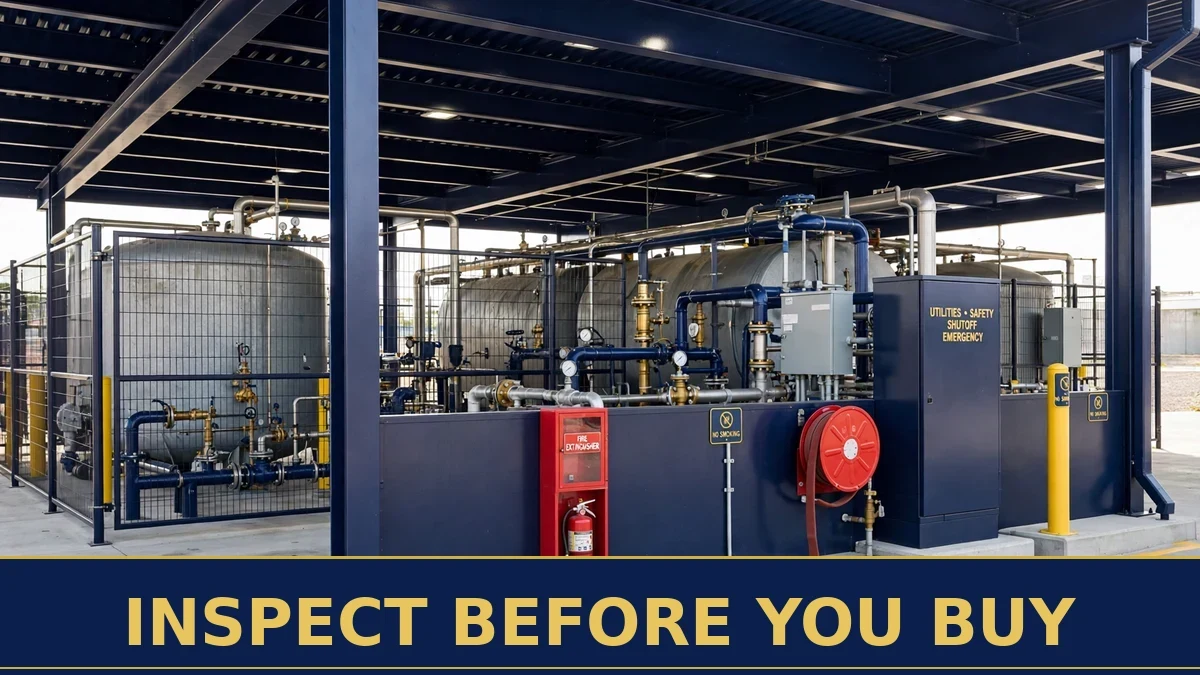
A station is a hazardous-use site, so the physical checks go beyond an ordinary plot inspection: is the ground level, well drained, and free of waterlogging? Tank installation and forecourt drainage depend on it. Are power, water, and drainage available at the boundary, and is there a realistic route for tanker access that does not cross weak or restricted ground? Is there space for fire-safety equipment, emergency access, and safe separation between tanks, dispensers, and neighbouring buildings, as the licensing drawings will require? Are there old structures, buried tanks, or service lines on the plot that are not on the drawings? Ask for the site’s history in writing. Walk the boundaries with the seller and confirm them on the ground, not only on paper — a boundary dispute on a station site stops construction. Bring a technically competent person to this visit. A dealer’s eye judges trade; an engineer’s eye judges whether the site can actually be built on.
5. The Final Verification Round
Before you sign, run this round in order: (1) Re-check the live land record on the PLRA portal against the paper fard — names, area, and khasra details must match. (2) Confirm the commercial-use and station-use position with the municipal authority, in writing where possible. (3) Confirm the OMC’s site position and the NOC list for this specific site. (4) Confirm the boundary on the ground and the road-access position with the road authority where the site fronts a highway. (5) Confirm the payment schedule is tied to document milestones, not only to dates — money follows verified progress. If a check fails, the correct response is to pause and price the fix, not to hurry past it. The cheapest petrol pump site is the one whose approvals path is already clear.
Who Should Walk Away
Walk away — or at least pause and take independent advice — if the title chain does not reconcile, if the OMC will not survey the site, if a required NOC is refused or impossible on that plot, if access cannot be made safe, or if the seller pressures you to pay before any of these checks are done. Pressure to skip verification is itself a red flag.
Bottom Line
A good petrol pump site in Sheikhupura is a combination: usable road access, a clean and matching title, a realistic OMC and NOC path, and a physical site that can safely hold the station. Check them in that order, in writing, before you pay — and you will avoid the most common way buyers lose money on station sites: buying the location and discovering the approvals afterwards.
Talk to Saeed Property Advisors about petrol pump sites in Sheikhupura before you commit — we can help you work through the site, the documents, and the verification steps above. You can also speak to our commercial property dealer in Sheikhupura team, or contact us to arrange a site visit.
This article is general information about buying property in Pakistan, not legal or tax advice. Confirm title, approvals, and licensing requirements with the relevant authorities and your own legal adviser before making a purchase.
1 Comment
Pingback: Petrol Pump on Highway vs City Road in Sheikhupura: Which Site Suits Your Business? | Saeed Property Advisors