

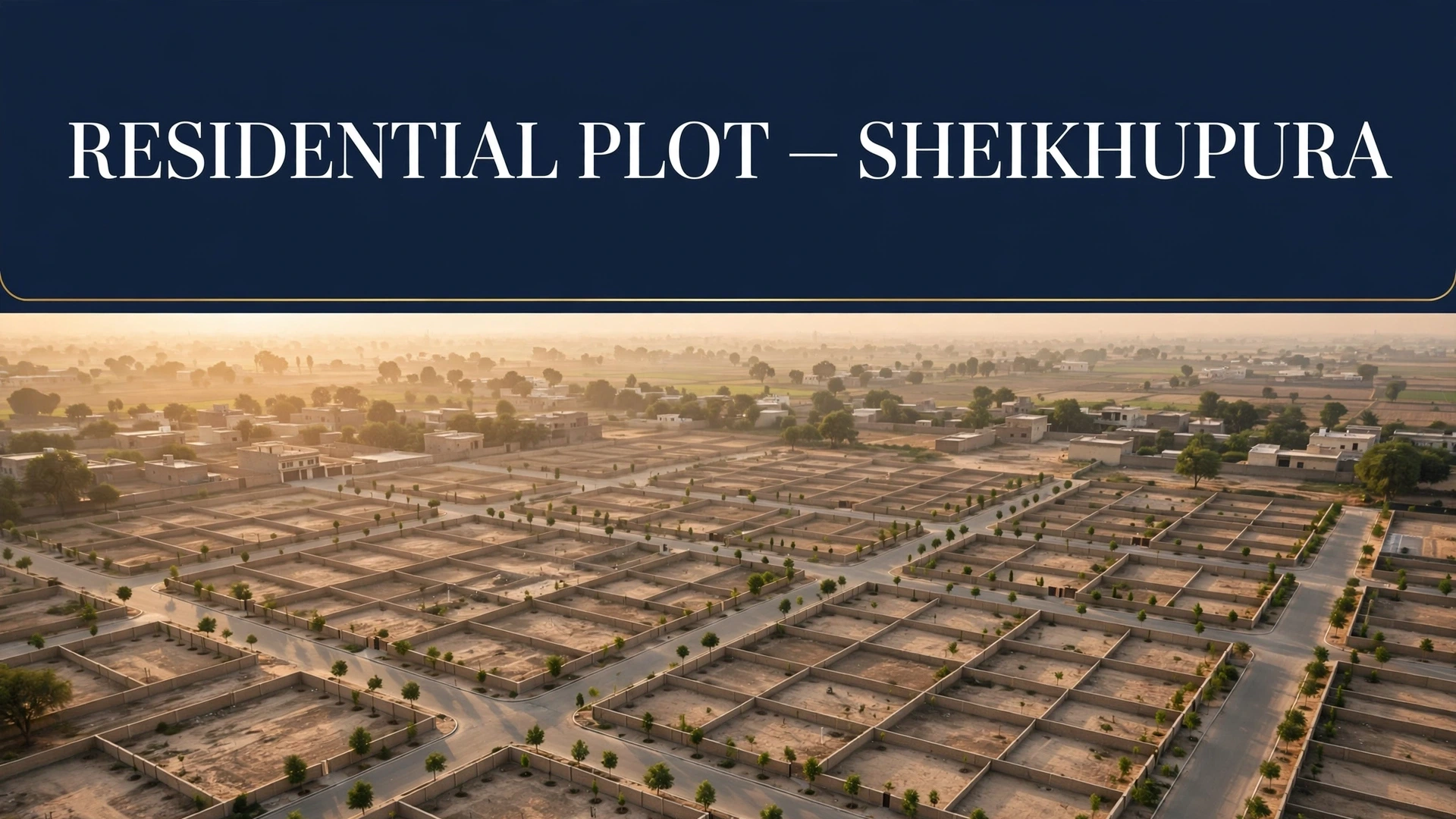
Buying a Residential Plot in Sheikhupura: What to Verify Before You Pay
Buying a residential plot is usually the biggest single purchase a family makes. A well-chosen plot in Sheikhupura can serve as a future home or a steady asset — but only if the paperwork is clean, the land is genuine, and the total cost is understood up front. Buying a residential plot in Sheikhupura safely comes down to verification, not luck. This checklist walks you through what to verify, in order, before you hand over any money.
1. Confirm the Seller Actually Owns the Plot
Every verification starts with ownership. Ask the seller for the fard (record of rights) in their name and cross-check it against the PLRA online record. Our guide on checking property ownership online in Punjab walks through the exact lookup. The name on the fard must match the seller’s CNIC — if it is a different person’s name, the seller must show a valid power of attorney or transfer document. Never accept “the fard will be made in your name after payment” as a substitute for seeing ownership proof now.

2. Trace the Full Document Chain
One fard is not enough. Ask for the chain of ownership: the current registry (sale deed), the previous owner’s registry, and the intiqal (mutation) entries connecting them. Understanding the difference between fard, registry, and intiqal helps you read this chain correctly. Gaps in the chain — a missing intiqal after an old sale, or a registry that names someone who never mutated the land — are the most common source of later disputes. Each link should name the same person that the next link picks up.
3. Plot, Plot File, or Plot With Possession?
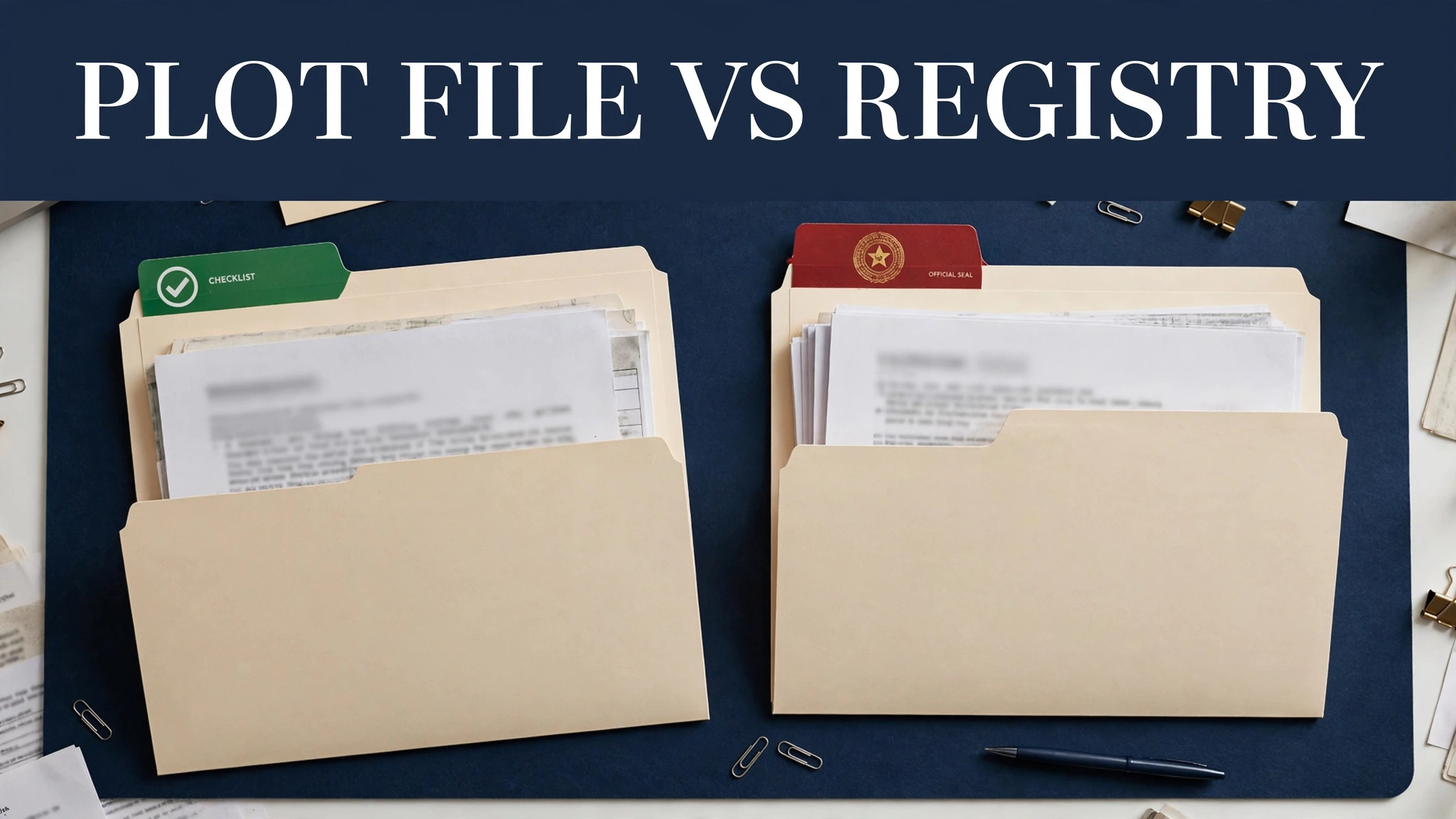
In Sheikhupura you will encounter three different things all called “a plot”: an allocated plot with a number on an approved layout map and physical possession available, a plot file (a promise of a plot after balloting), and a file that has been allocated but never developed. A file is cheaper for a reason — you are buying a position in a queue, not land you can stand on. Before paying for any file, verify it against the society’s approved layout plan, confirm the allocation or balloting status in writing, and check for outstanding development or possession charges that will fall on you. Files work for patient buyers; if you want to build soon, an allocated plot with possession is the safer choice.
4. Verify the Society or Scheme Is Legitimate
If the plot sits inside a housing society, verify the society itself. Check that it holds a valid NOC and approved layout plan from the relevant development authority or the district government. Ask whether the specific block and street where your plot sits are part of the approved plan — unapproved extensions inside otherwise approved societies are a common trap. Development status matters too: visit and check roads, sewerage, electricity infrastructure, and street levels. A plot in an approved-but-undeveloped society may wait years before it is livable.
5. Walk the Exact Plot, Not Just the Society
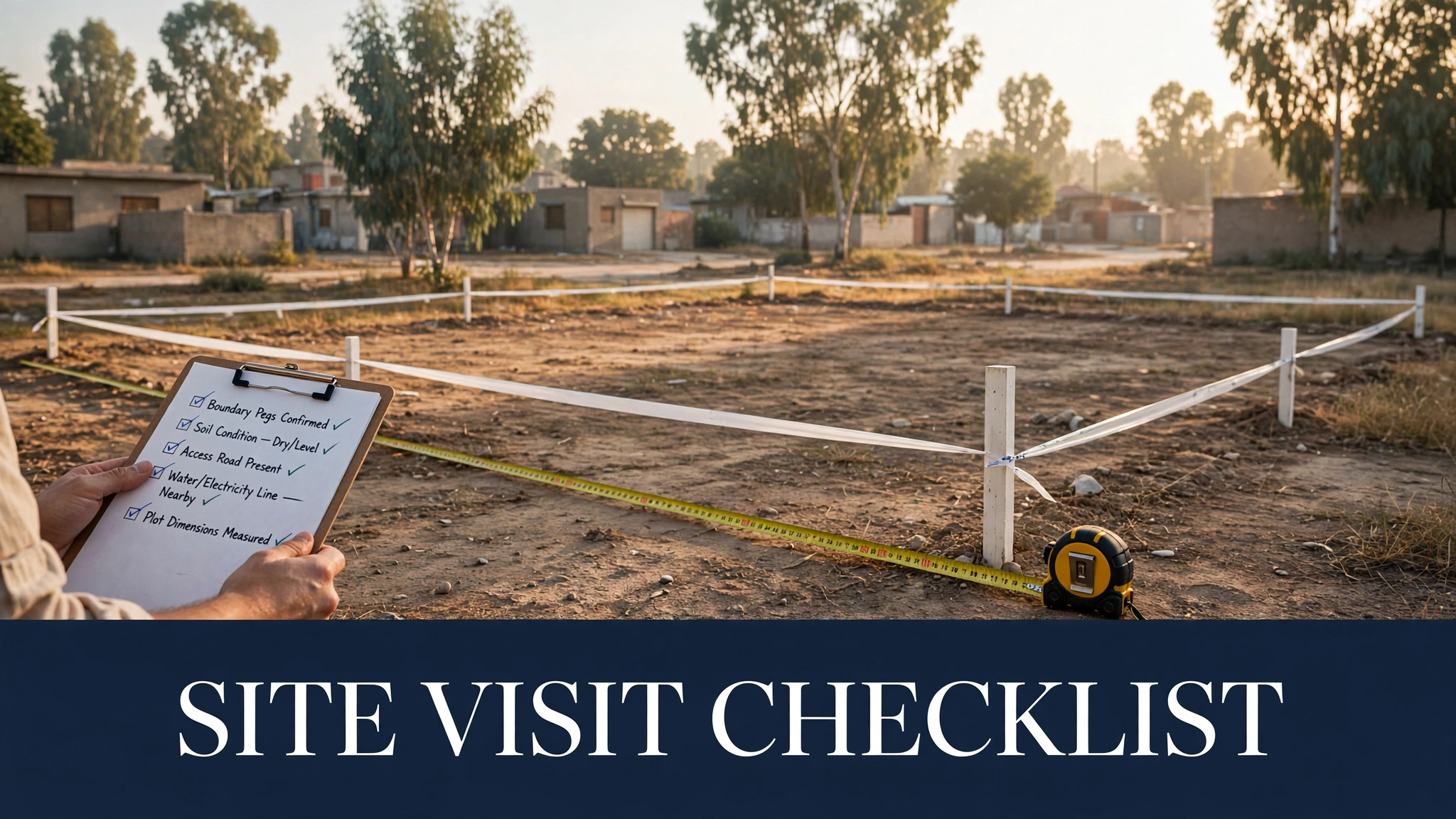
Always visit the precise plot before paying anything. Confirm the plot number on the ground matches the layout map, walk its boundaries, and check the surroundings: is the street developed, is drainage in place, is there construction nearby? Note low-lying spots that collect water and any boundary disputes with neighbouring plots. A visit also tells you what the documents never will — whether the area is actually growing or stalled. If you cannot visit personally, send a trusted representative and ask for dated, geotagged photos of the plot itself.
6. Measure It Yourself
Residential plots in Sheikhupura are commonly sold in marla and kanal. Do not rely on the advertised size alone — have the plot measured (pemaish) and compare the result with the fard’s stated area and the layout map. Small shortfalls are common and sometimes legitimate (roads widened, rounding), but a large discrepancy is a red flag. Measure in the same unit the documents use, and keep the written measurement with your file.
7. Add Up the Total Landed Cost
Never judge a deal on the headline price. Ask for a written breakdown of everything beyond it: transfer fees, any unpaid development or possession charges, utility connection charges, pending installments on files, society dues, and your own registry and transfer costs. A plot that looks cheap can carry years of unpaid dues; a plot that looks expensive may already include development value. Compare plots on total landed cost, not on the asking figure.
8. Check the Legal Record for Disputes
Finally, check whether the property has any court cases, stay orders, or revenue disputes against it. The seller’s assurance is not evidence — check for court cases against a property through the available public records and the revenue office before you commit. A stay order freezes everything: no construction, no transfer, no use — while your money sits locked in.
Buying a Residential Plot vs a Commercial Plot
The verification steps above are the same ones serious buyers use for any land purchase — ownership, document chain, approvals, site visit. The difference is in what you weigh afterwards: for a home plot, access to schools, water, and a livable neighbourhood matter most; for business land, frontage, footfall, and visibility drive the decision. If your goal is a shop or rental income rather than a home, run the same checklist but judge the location by business criteria.
Bottom Line
A safe residential plot purchase in Sheikhupura follows a simple order: verify ownership, trace the document chain, know whether you are buying a plot or a file, verify the society’s approvals, walk the exact plot, measure it, total up every cost, and check the legal record. Any step the seller rushes you past is the step most worth slowing down for.
If you want a second pair of eyes on a plot before you commit, Saeed Property Advisors verifies plots across Sheikhupura as part of its daily work — a short review of the documents before you pay can save you from the most common mistakes buyers make.
Disclaimer: This article is general information only and is not legal, tax, or financial advice. Property records and procedures change; always confirm the current requirements with the relevant authority or a qualified legal professional before making a decision.