

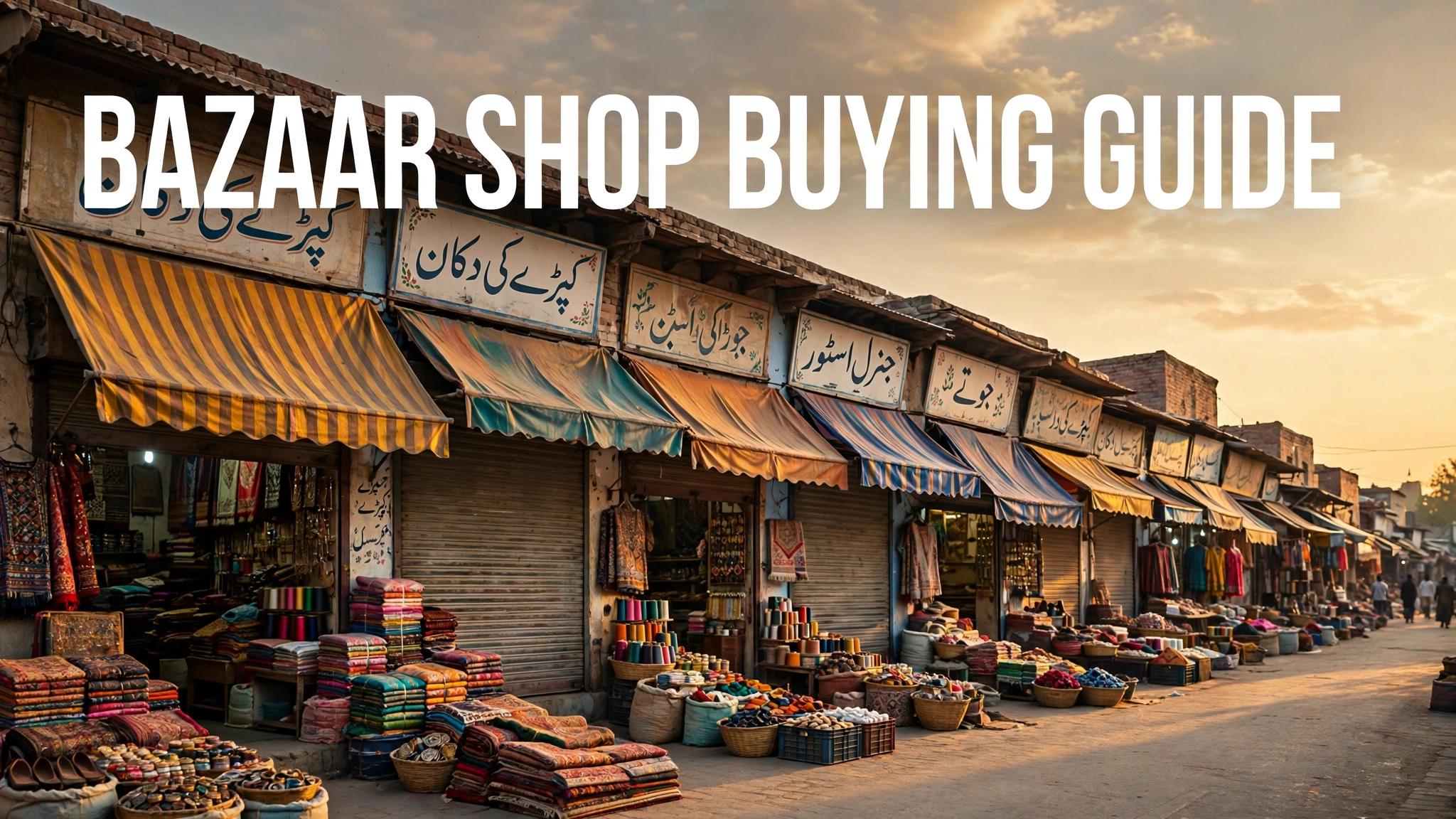
How to Buy a Shop in a Bazaar in Sheikhupura: A Practical Checklist
Buying a shop in a bazaar is nothing like buying a plot. A plot is land and paperwork; a bazaar shop is footfall, frontage, a sitting tenant, and a title history that may stretch back further than the seller remembers. If you are buying a shop in a bazaar in Sheikhupura, this checklist walks you through what to verify before you hand over a single rupee of bayana.
Sheikhupura’s retail heart beats in places like Main Bazar, the Sargodha Road Mobile Market, and the old-city lanes where a single narrow street can house fifty working shops. Deals here move fast and often informally — which is exactly why a written checklist matters more here than anywhere else. A second pair of experienced eyes down the lane helps, but these nine checks are yours to make regardless.
Why a Bazaar Shop Needs Its Own Checklist
Three things make bazaar shops a special purchase. First, possession and ownership are often split: the registered owner may be one person while a tenant family has occupied the shop for decades. Second, bazaar transfers frequently involve pagri — a lump-sum payment to the sitting occupant for transferring possession — a custom with real legal consequences if misunderstood. Third, old-city shops change hands informally across generations, so the paper trail can be thinner than the shop’s rent history. The checklist below is built for exactly these realities.

The 9-Point Bazaar Shop Buying Checklist
1. Verify the full title chain on the shop
Get a fresh fard from the Punjab Land Records Authority (PLRA) and read the registry history, not just the seller’s current deed. In old bazaar areas, shops sometimes pass from father to son or partner to partner without every transfer being registered. Any gap in the chain is your risk after purchase — insist the seller closes every gap before you pay bayana, and confirm there is no stay order or court case attached to the property.
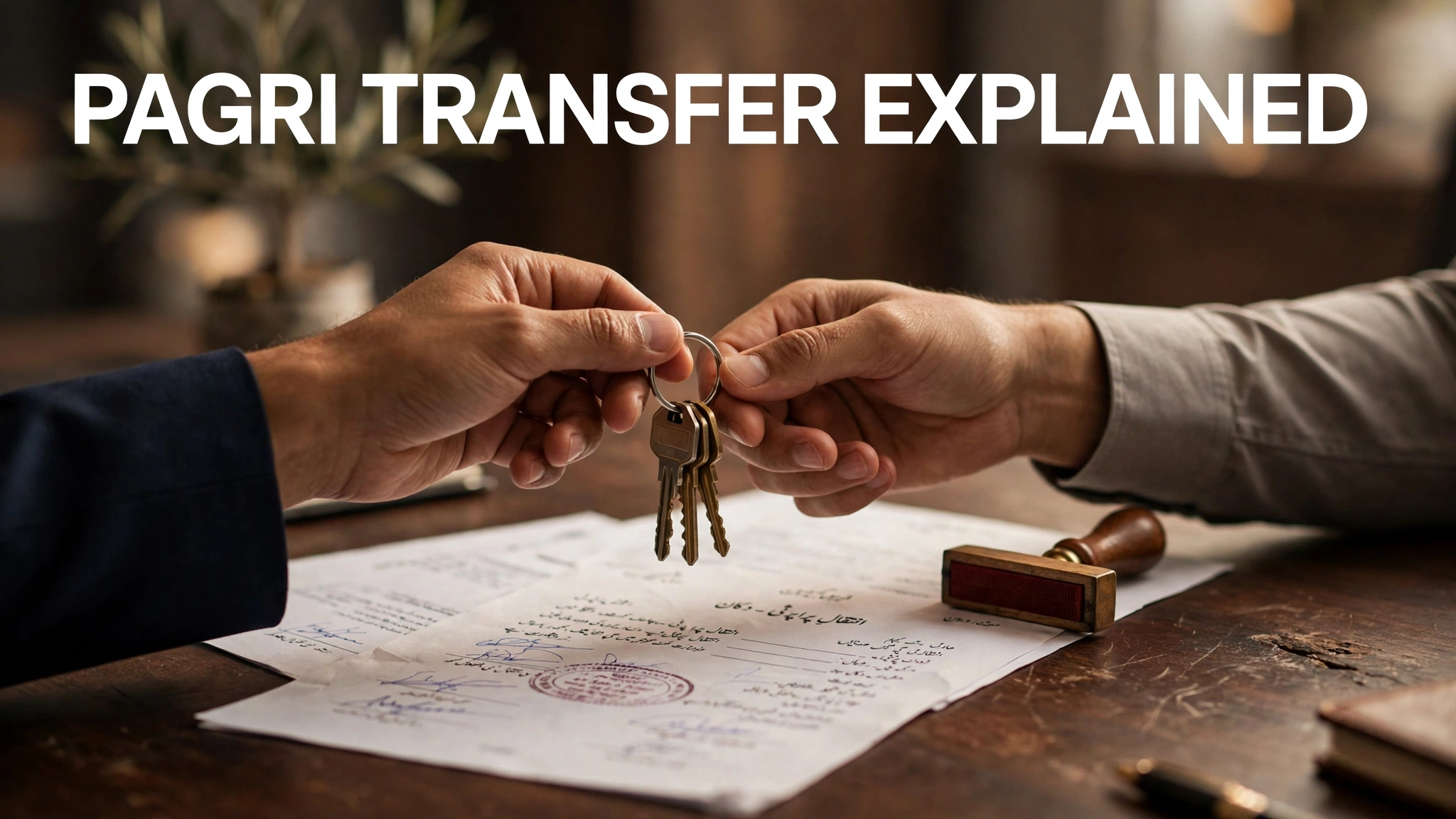
2. Understand pagri before you pay it
In many of Sheikhupura’s older bazaars, possession of a shop transfers through pagri: you pay the sitting occupant a lump sum for their agreement to vacate and hand over possession. Understand this clearly — pagri buys you possession from the occupant, not ownership. The registered title must still transfer to you by registry from the actual owner. Get both transactions documented separately, in writing, with each party identified by CNIC. If the seller cannot tell you exactly who holds the title and who holds possession, stop there.
3. Check who is inside the shop right now
If a tenant is operating in the shop, read the rent agreement before anything else. Under Punjab’s rented premises law, eviction goes through the Rent Tribunal — it is a legal process, not a handshake. Factor the real timeline for vacant possession into your plan and your price thinking. Never assume a sitting tenant “will leave once the deal is done” unless that promise is in a signed, enforceable agreement.
4. Confirm the shop is commercial on paper
A shop that has operated for years is not automatically a commercial property in the records. Check the commercialization status with the relevant authority — an undeclared commercial use inside a lane marked residential in the records is a dispute waiting for a complainant. This check takes a day; skipping it can take years.
5. Inspect the physical shop like a retailer would
Stand in front of the shutter and measure: frontage width versus depth, shutter condition, roof and walls for seepage, the age and load capacity of the wiring, and whether the shop shares boundary walls with neighbors (shared walls mean shared disputes). Ask how goods are loaded and unloaded in a narrow lane — a beautiful shop you cannot stock is a bad shop. Visit after rain if you can; old bazaar lanes show their drainage problems honestly.
6. Read the bazaar, not just the shop
Talk to neighboring shopkeepers about the market association’s rules: shutter timings, signboard sizes and permissions, shared maintenance contributions, and how parking and customer access are managed. Main Bazar, Sheikhupura runs on conventions as much as on law — knowing them before you buy keeps you out of conflicts you did not create.
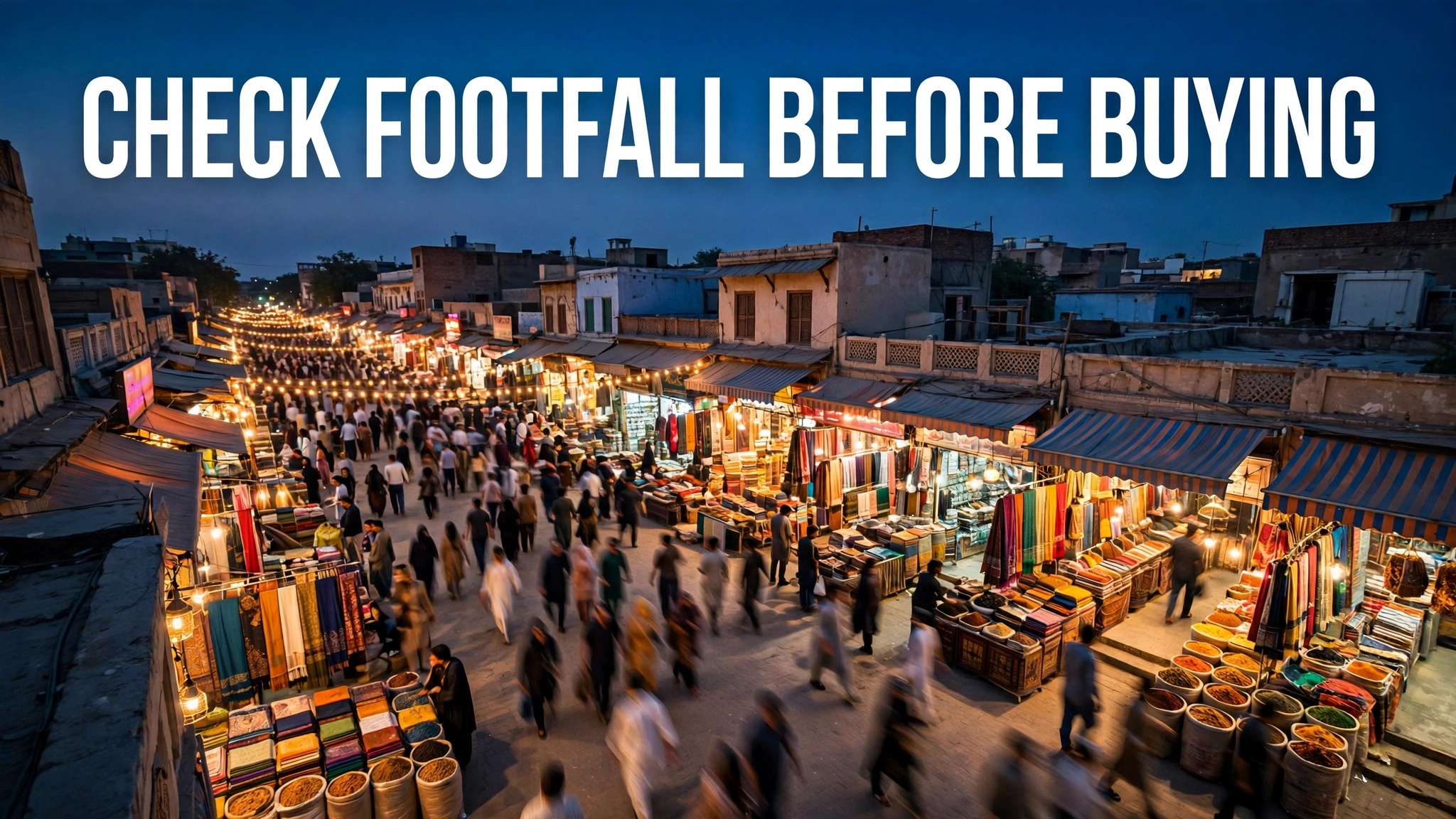
7. Judge the footfall honestly
Visit the lane at peak hours on a working day, a weekend, and once after dark. Note which end of the lane pulls traffic, whether anchor shops nearby draw crowds past your shutter, and whether the shop sits on the walking line or the dead stretch. One honest week of observation beats a year of the seller’s assurances. Corner shops and main-lane frontage consistently outperform inner-lane shops — confirm with your own eyes which one you are buying.
8. Search for disputes before the bayana, not after
Ask around the bazaar — shopkeepers know which shops carry disputes. Then verify formally: check for court cases and stay orders against the property through the proper channels. A disputed shop in a busy bazaar is still a disputed shop; footfall does not cure title.
9. Write the bayana agreement properly
Your bayana agreement should state the full agreed price, the bayana amount, the exact timeline for the registry, what happens if either party backs out, and — critically for bazaar deals — how any pagri payment is handled if the deal collapses. Vague bayana terms are how bazaar deals end up in panchayats and courts instead of at the sub-registrar’s office.
Three Mistakes That Cost Bazaar-Shop Buyers
Paying pagri without verifying title. The most expensive mistake in bazaar buying: handing a large pagri to an occupant who had no legal right to transfer possession, then discovering the real owner never agreed to sell. Pagri and title are two separate transactions — never pay one as proof of the other.
Judging footfall on a festival day. Every bazaar looks golden the week before Eid. Buy on the evidence of ordinary Tuesdays, not extraordinary ones. If the seller pressures you to decide during peak season, treat that as information about the seller, not the shop.
Cross-shopping bazaar lanes against plaza shops in Sheikhupura on price alone. A plaza shop and a bazaar shop are different businesses: different footfall patterns, different title simplicity, different tenant behavior. Compare them on fit for your business, not just on the asking figure.
Bottom Line
A bazaar shop in Sheikhupura can be one of the strongest commercial purchases you make — walk-in customers, established trade, and lanes that have sold goods for generations. But the same informality that makes bazaars vibrant makes them risky to buy in blind. Run all nine checks, document the pagri and the title as separate transactions, and take a second pair of experienced eyes down the lane before you commit.
If you are buying in Main Bazar, the Sargodha Road Mobile Market, or any of Sheikhupura’s trading lanes, talk to a shop property dealer in Sheikhupura who knows which lanes transfer cleanly and which ones carry pagri baggage. Saeed Property Advisors works the city’s commercial streets daily — call or WhatsApp the team and walk the shortlist together before you pay.
Disclaimer: This article is general information about buying commercial shops in Sheikhupura and is not legal advice. Property, tenancy, and transfer matters involve legal rights — consult a qualified lawyer before signing any agreement or making payments.